Sleep apnea is a serious sleep-related breathing disorder that causes repeated interruptions in breathing throughout the night, often leading to fragmented sleep, daytime fatigue, cardiovascular strain, and reduced overall health. Obstructive sleep apnea (OSA), the most common form, occurs when the upper airway repeatedly collapses during sleep and is commonly associated with symptoms such as loud snoring, gasping during sleep, morning headaches, and excessive daytime drowsiness.[1] As discussions surrounding cannabis and sleep apnea continue to grow, many consumers are exploring whether cannabinoids such as THC and CBD may improve sleep quality or reduce nighttime disturbances. However, current evidence remains limited, and the American Academy of Sleep Medicine does not recognize cannabis as an established treatment for sleep apnea.[2]
Understanding Sleep Apnea
Sleep apnea is a chronic sleep disorder that disrupts breathing during sleep, often reducing oxygen levels and interfering with normal sleep cycles. Obstructive sleep apnea occurs when the airway becomes partially or completely blocked during sleep, while central sleep apnea develops when the brain fails to properly regulate breathing signals.[1] Common symptoms include loud snoring, choking or gasping during sleep, morning headaches, poor concentration, and excessive daytime fatigue.[3] Risk factors may include obesity, smoking, aging, alcohol use, and certain airway or facial structures that restrict breathing during sleep.[1]
Standard treatment options for sleep apnea include continuous positive airway pressure (CPAP) therapy, oral appliances, lifestyle modifications, and, in some cases, surgery.[3] CPAP therapy remains one of the most effective medically approved treatments for reducing apnea events and improving sleep quality. Although interest in cannabis for sleep disorders continues to increase, medical experts caution that cannabis is not considered a proven replacement for evidence-based sleep apnea treatments.[2]
Why Cannabis Is Being Discussed for Sleep Apnea
Interest in cannabis and sleep apnea has increased as more consumers explore alternative approaches for improving sleep quality and managing sleep-related disorders. Many cannabis users report that cannabinoids such as THC and CBD may help promote relaxation, reduce stress, and improve sleep onset.[4] Researchers believe these effects may be connected to the body’s endocannabinoid system, which plays a role in regulating sleep, mood, and other physiological functions.[5] Increased legalization and wider product availability have also contributed to growing public interest in cannabis for sleep support.
Despite growing interest, research on cannabis for obstructive sleep apnea remains limited. Some early studies involving synthetic THC compounds such as dronabinol have shown potential reductions in apnea events, but additional large-scale clinical trials are still needed before cannabis can be considered a reliable treatment option.[6] Medical experts also advise patients not to replace approved sleep apnea therapies, including CPAP treatment, with cannabis products without professional medical supervision.[2]
What Current Research Says
Current research on cannabis and sleep apnea remains preliminary, but several studies have explored whether cannabinoids may influence breathing stability and sleep quality in patients with obstructive sleep apnea. Clinical trials involving dronabinol, a synthetic form of THC, found modest reductions in apnea events and improvements in certain sleep measurements.[6] Researchers believe cannabinoids may affect pathways involved in airway muscle control and respiratory regulation during sleep.[7]
However, experts caution that existing evidence is still insufficient to support cannabis as a standard treatment for obstructive sleep apnea. Many studies have involved small sample sizes, short study durations, and synthetic cannabinoid formulations rather than commercially available cannabis products.[2] Long-term safety and effectiveness data also remain limited, reinforcing the need for additional clinical research.[2]
Learn More: Unlocking Sleep Science: Future Cannabis Trials for Insomnia and Restorative Rest
Risks and Concerns Associated With Cannabis Use
Although interest in cannabis for sleep apnea continues to grow, medical experts warn that cannabis use may carry several risks for individuals with obstructive sleep apnea. THC-containing products can produce sedative effects that may further relax airway muscles during sleep, potentially worsening airway obstruction in some patients.[2] Smoking cannabis may also irritate the respiratory system and contribute to coughing, inflammation, and reduced lung function over time.[8] Cannabis use may additionally cause daytime drowsiness, impaired concentration, and possible interactions with medications used to treat sleep disorders or cardiovascular conditions.[5]
Organizations such as the American Academy of Sleep Medicine advise against replacing evidence-based sleep apnea treatments, including CPAP therapy, with cannabis products unless supervised by a qualified healthcare professional.[2]
Cannabis Products Commonly Discussed for Sleep
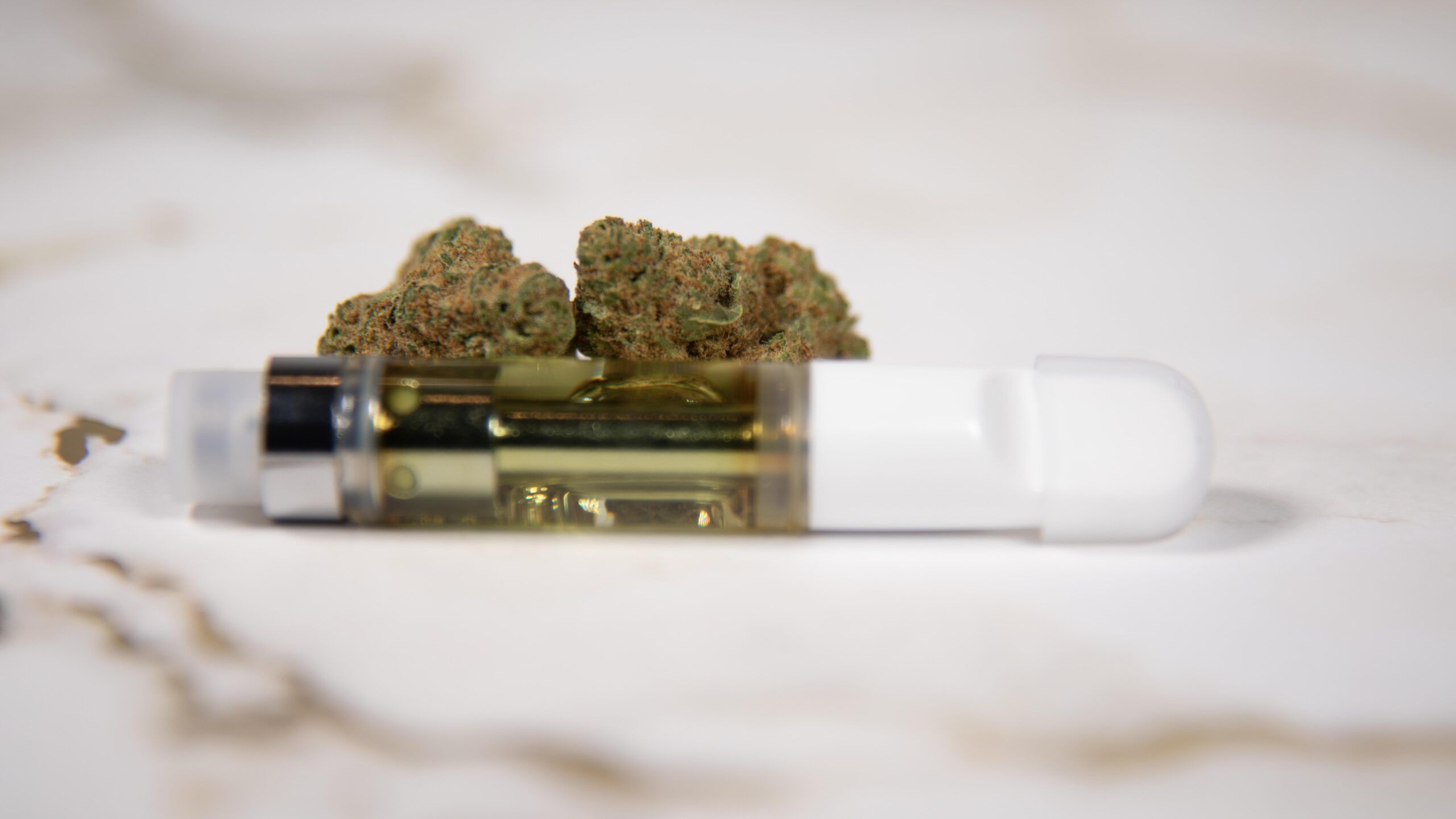
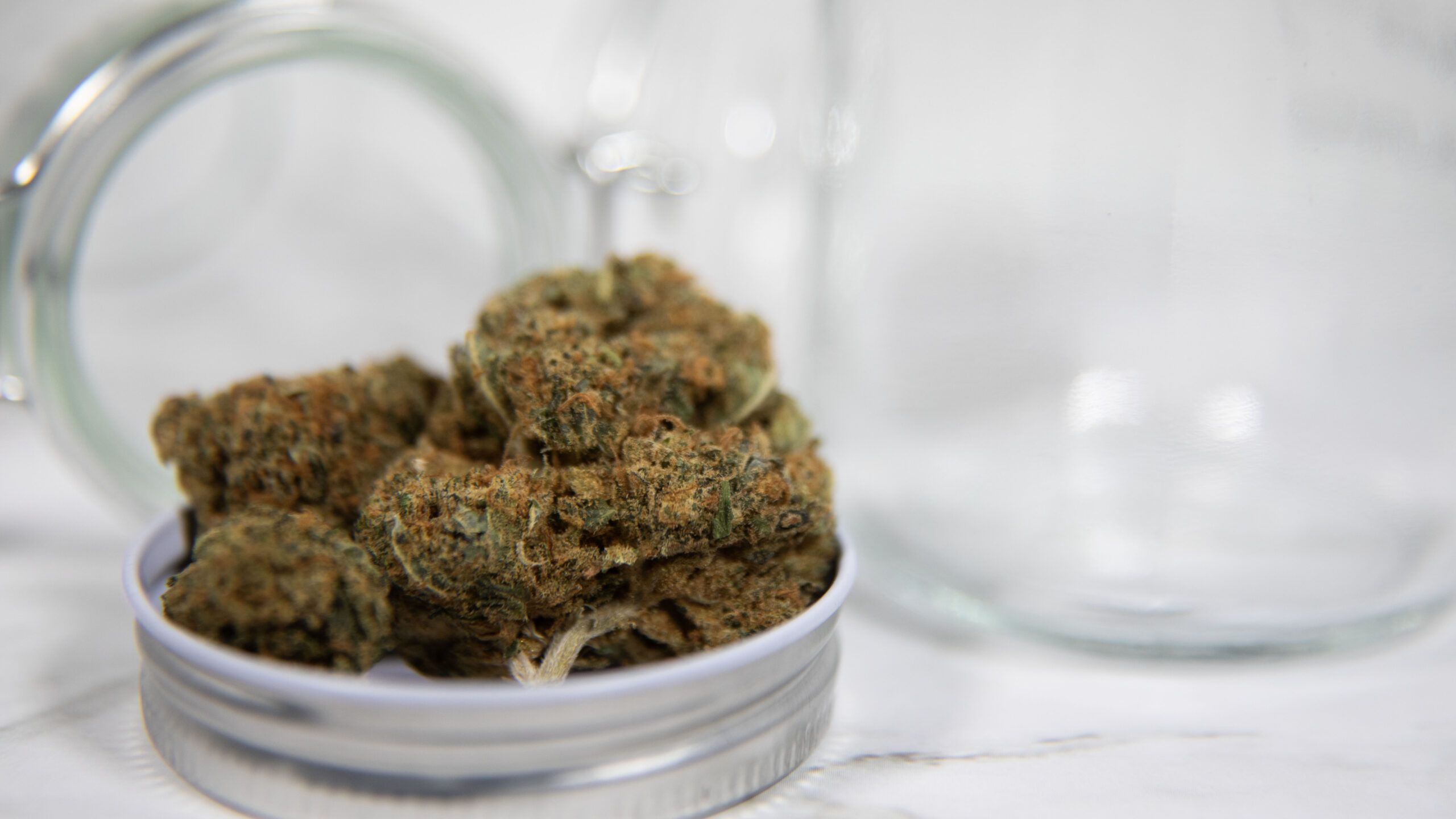
Among cannabis and sleep apnea discussions, consumers commonly mention THC-dominant products, CBD products, edibles, tinctures, and inhaled cannabis for sleep support. THC is the primary psychoactive cannabinoid in cannabis and is often associated with sedative effects that may help some individuals fall asleep faster. However, higher THC consumption may also increase daytime grogginess and potentially worsen airway relaxation during sleep.[4] CBD, a non-intoxicating cannabinoid, is frequently marketed for relaxation and wellness benefits, although current evidence regarding CBD for sleep apnea remains limited.[5]
Different cannabis delivery methods may also affect how quickly cannabinoids take effect and how long they remain active in the body. Inhaled cannabis products typically produce faster effects but may irritate the lungs, while edibles and tinctures often have slower onset times with longer-lasting effects.[9]
Learn More: Why Do Edibles Feel Stronger Than Smoking?
Safe and Responsible Conversations About Cannabis and Sleep Apnea
Individuals interested in cannabis and sleep apnea treatment discussions should speak with a qualified healthcare professional before using THC or CBD products to manage sleep-related symptoms. Medical experts advise patients not to discontinue evidence-based treatments such as CPAP therapy without professional guidance, as untreated obstructive sleep apnea can increase the risk of cardiovascular disease and other serious health complications.[1] Lifestyle strategies such as weight management, reducing alcohol consumption, improving sleep hygiene, and quitting smoking may also help improve sleep apnea symptoms in some individuals.[3]
Because research on cannabis for sleep apnea remains limited, healthcare providers can help patients better understand potential risks, medication interactions, and whether cannabis products may affect existing treatment plans.[2]
In Conclusion
As public interest in cannabis and sleep apnea continues to grow, researchers are still working to better understand how cannabinoids such as THC and CBD may affect sleep quality, breathing patterns, and obstructive sleep apnea symptoms. While some early studies involving cannabinoids and sleep disorders have shown promising results, current evidence remains limited, and major medical organizations do not currently recognize cannabis as a proven treatment for sleep apnea.[2]
Patients considering cannabis for sleep support should rely on evidence-based information, consult qualified healthcare professionals, and avoid replacing medically approved therapies such as CPAP treatment without medical supervision.[1]
References
- [1] National Heart, Lung, and Blood Institute — Sleep Apnea https://www.nhlbi.nih.gov/health/sleep-apnea
- [2] American Academy of Sleep Medicine — Medical Cannabis and Obstructive Sleep Apnea Position Statement https://jcsm.aasm.org/doi/10.5664/jcsm.7070
- [3] Mayo Clinic — Sleep Apnea Overview https://www.mayoclinic.org/diseases-conditions/sleep-apnea/symptoms-causes/syc-20377631
- [4] Sleep Foundation — Cannabis for Sleep: Benefits and Risks https://www.sleepfoundation.org/sleep-aids/cannabis-and-sleep
- [5] National Center for Complementary and Integrative Health — Cannabis and Cannabinoids https://www.nccih.nih.gov/health/cannabis-marijuana-and-cannabinoids-what-you-need-to-know
- [6] Proof-of-Concept Trial of Dronabinol in Obstructive Sleep Apnea https://pubmed.ncbi.nlm.nih.gov/23346060/
- [7] National Center for Biotechnology Information — Cannabinoids and Sleep Regulation https://www.ncbi.nlm.nih.gov/pmc/articles/PMC7388834/
- [8] Centers for Disease Control and Prevention — Cannabis and Lung Health https://www.cdc.gov/cannabis/health-effects/lung-health.html
- [9] Centers for Disease Control and Prevention — Cannabis and Cannabis-Derived Products https://www.cdc.gov/cannabis/index.html