As cannabis products continue to evolve, consumers are increasingly encountering new cannabinoids beyond the well-known Delta-9 THC, including the fast-rising Delta-8 THC. Both compounds are forms of tetrahydrocannabinol (THC), the primary psychoactive ingredient in cannabis, but they offer notably different experiences. If you have been wondering what is Delta-8 THC or how it compares in the ongoing Delta-8 vs Delta-9 THC conversation, you are not alone. Delta-8 THC is often described as a milder, more clear-headed alternative to the traditional Delta-9 THC high. Understanding these differences can help you make more informed decisions about which cannabinoid is right for you.
What Are Delta-8 THC and Delta-9 THC?
Delta-8 THC is a naturally occurring cannabinoid found in cannabis and hemp plants, although only in trace amounts. For this reason, most Delta-8 products are made by converting hemp-derived CBD into Delta-8 THC. This origin has contributed to its growing popularity, particularly in areas where traditional cannabis products remain restricted. In contrast, Delta-9 THC is the primary psychoactive compound in cannabis and occurs in much higher concentrations. It is widely known for producing the classic marijuana high and is the most abundant and well-studied form of THC. When comparing Delta-8 vs Delta-9 THC, differences in origin and potency play an important role in shaping the user experience.
Key Differences Between Delta-8 and Delta-9 THC
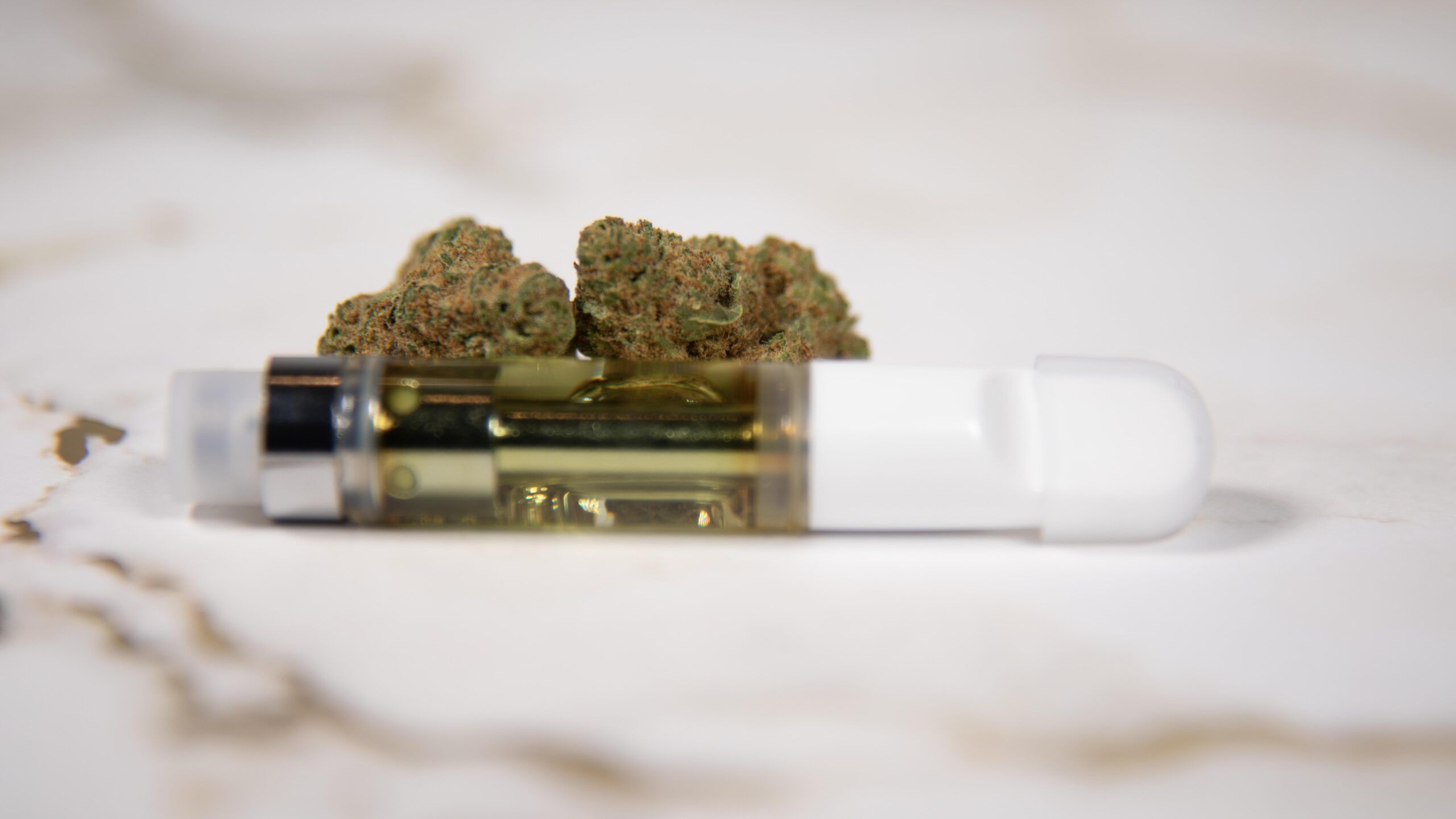
When comparing Delta-8 vs Delta-9 THC, the differences come down to subtle chemistry and noticeable effects. Structurally, both cannabinoids are nearly identical, but a slight variation in the placement of a double bond affects how each interacts with the body’s endocannabinoid system. In terms of Delta-8 vs Delta-9 effects, Delta-8 THC is typically described as producing a milder and smoother high with more mental clarity. Delta-9 THC, on the other hand, is known for stronger euphoria and more pronounced psychoactive effects. This difference also influences side effects. Delta-9 is more commonly associated with anxiety or paranoia in sensitive users, while Delta-8 may offer a more relaxed and manageable experience. Both cannabinoids are widely available in similar product formats, including edibles such as gummies, vape cartridges, and tinctures, although product quality and regulation can vary.
Is Delta-8 THC Safe and Legal?
When asking is Delta-8 THC safe or is Delta-8 legal, it is important to understand that the market remains largely unregulated. The U.S. Food and Drug Administration has not approved Delta-8 THC products for safe use, and concerns have been raised about contamination, inaccurate labeling, and inconsistent potency. Because many Delta-8 products are synthesized from hemp-derived CBD, quality can vary significantly depending on the manufacturer. Legality also differs by state. Some jurisdictions allow Delta-8 under hemp laws, while others have banned or restricted it, making Delta-8 THC legality a constantly evolving issue. Consumers should look for reputable brands that provide third-party lab testing and certificates of analysis, and always stay informed about local regulations before purchasing or using these products.